Table of Contents
ToggleLearning a new language can feel like trying to juggle flaming torches while riding a unicycle. It’s a wild ride filled with twists, turns, and the occasional facepalm. But fear not! Mastering a language isn’t just about memorizing vocabulary or deciphering grammar rules. It’s about unlocking a world of opportunities, connecting with people, and maybe even impressing your friends at parties.
Imagine strolling through a foreign market, confidently ordering a delicious meal in the local tongue, while others fumble with their phrasebooks. Language learning opens doors to new cultures and experiences that are simply too good to miss. So grab your virtual passport and get ready to embark on an adventure that promises not just knowledge, but a whole lot of fun along the way.
Importance of Language Learning
Language learning plays a vital role in personal and professional development. Mastering a new language not only enriches an individual’s life but also enhances overall cognitive abilities.
Cognitive Benefits
Cognitive enhancement emerges as one of the most significant advantages of language learning. Notably, studies indicate that bilingual individuals show improved problem-solving skills. Memory retention increases, allowing for better information recall. Additionally, multitasking abilities improve as the brain adapts to managing multiple languages. Critical thinking skills also develop, fostering a more analytical mindset. Engaging with different linguistic structures enhances creativity, leading to innovative thought processes. Overall, these cognitive benefits create a solid foundation for lifelong learning.
Social and Cultural Advantages
Socially, learning a new language opens doors to diverse interactions. Building connections with speakers of other languages fosters a sense of community. Immersion in different cultures enhances understanding and empathy, creating deeper relationships. Awareness of cultural nuances enriches communication, preventing potential misunderstandings. Moreover, participating in language exchanges expands social networks and creates friendships across borders. Accessing literature, music, and films in original languages provides a richer cultural experience. Engaging with others through language transforms personal perspectives and broadens horizons.
Methods of Language Learning
Language learning methods vary widely, each offering unique advantages. Understanding these approaches can enhance the overall experience of acquiring a new language.
Traditional Classroom Learning
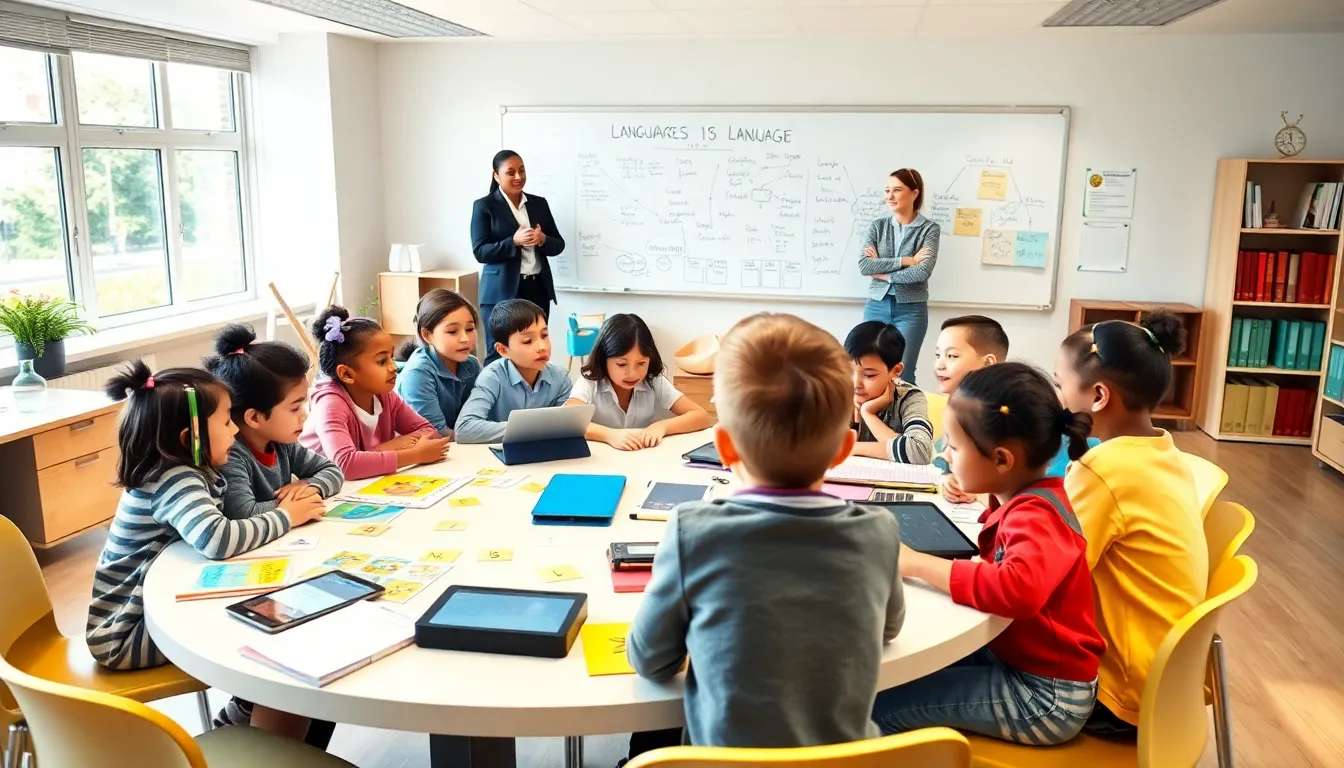
Traditional classroom learning remains a popular choice. Teachers guide students through structured lessons that focus on grammar, vocabulary, and pronunciation. Classmates often collaborate on assignments, facilitating peer support. This interactive environment encourages questions and discussions, reinforcing comprehension. Routine assessments track progress, helping educators tailor lessons to individual needs. Courses may include cultural elements, providing context for language use. Schools and language institutes provide a familiar structure for learners seeking discipline.
Online Learning Platforms
Online learning platforms revolutionize language acquisition. Users can access a variety of resources, including videos, quizzes, and live sessions with native speakers. Flexibility allows learners to study at their own pace, accommodating different schedules. Personalized learning paths adapt to individual strengths and weaknesses. Gamification elements keep motivation high, while interactive forums enable connections with fellow learners globally. Many of these platforms offer language exchange opportunities, enriching the learning experience through real-life practice. This method suits those who thrive in self-directed environments.
Language Learning Strategies
Language learning strategies play a crucial role in enhancing the effectiveness of acquiring new languages. Effective methods encourage engagement and retention while connecting learners with their desired goals.
Immersive Learning Techniques
Immersive techniques provide invaluable experiences for language learners. Surrounding oneself with the target language creates an engaging environment. Consuming media, such as movies and music, enhances listening skills and cultural understanding. Participating in language meetups or exchanges allows for real-world practice with native speakers. Traveling to a country where the language is spoken offers daily opportunities to communicate, reinforcing vocabulary and grammar. Embracing these experiences fosters a deeper connection with the language.
Vocabulary Acquisition Tips
Effective vocabulary acquisition involves targeted strategies for retention. Utilizing flashcards helps learners to create visual and context-driven connections with new words. Regularly integrating new vocabulary in daily conversations reinforces memory. Establishing a routine that includes reading articles or books further broadens exposure to words in context. Engaging with language apps provides interactive exercises to solidify understanding. Practicing word associations aids in recalling words through related concepts. These approaches support robust language development and increase overall fluency.
Challenges in Language Learning
Language learners face several challenges that can hinder their progress. Navigating these difficulties is crucial for success.
Common Obstacles
Limited vocabulary often presents a significant obstacle in language learning. Many learners struggle to express thoughts effectively, leading to frustration. Speaking and listening skills frequently lag behind reading and writing abilities, creating an imbalance in language proficiency. Some learners encounter difficulties with pronunciation, making communication challenging. Additionally, inconsistent practice can slow down progress and lead to a loss of motivation. Language learners may also experience cultural barriers that impede their ability to communicate confidently. Addressing these obstacles promotes a smoother language acquisition journey.
Overcoming Language Learning Anxiety
Language learning anxiety is a common issue many learners experience. High levels of stress during speaking exercises often hinder performance. Creating a supportive environment encourages learners to practice without fear of judgment. Engaging in small-group activities helps build confidence and reduces anxiety. Taking advantage of language exchange partners provides real-world practice in a relaxed setting. Developing a routine of daily practice can also alleviate anxiety by making language use feel more natural. Fostering a positive mindset and celebrating small victories reinforces progress, contributing to overall confidence in language abilities.
Language learning is an enriching journey filled with unique challenges and immense rewards. It opens doors to new opportunities and fosters connections across cultures. Embracing this adventure not only enhances personal growth but also sharpens cognitive abilities and boosts creativity.
With a variety of methods available from traditional classrooms to online platforms learners can find the approach that suits them best. Engaging with immersive techniques and practicing regularly helps solidify skills and build confidence.
Ultimately the experience of learning a new language is a powerful tool for broadening perspectives and deepening understanding. As learners navigate this exciting path they’ll discover that each step taken is a celebration of growth and connection.